


ЛЕГОЧНАЯ ГИПЕРТЕНЗИЯ
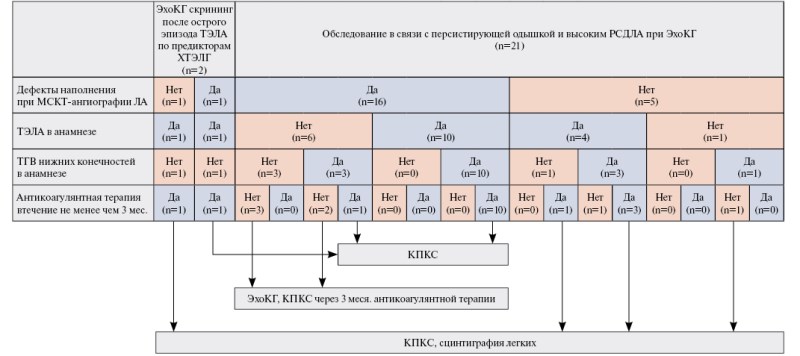
- Chronic thromboembolic pulmonary hypertension (CTEPH) is diagnosed late.
- The creation of regional pulmonary hypertension (PH) centers, local screening protocols, and initial examination of patients with PH improves patient detection and reduces the time to treatment.
- CTEPH, with timely detection, referral to an expert center, and the use of modern management methods, including balloon pulmonary angioplasty, is a potentially curable form of precapillary PH.
Aim. To analyze data from a regional registry of patients with chronic thromboembolic pulmonary hypertension (CTEPH).
Material and methods. The study included 23 patients with CTEPH, entered into the registry of the Republic of Karelia from June 1, 2014, to December 31, 2025.
Results. The mean age at diagnosis was 60 [52; 70] years. Women accounted for 73,9%. The time from the dyspnea onset to CTEPH diagnosis averaged 35 months. History of venous thromboembolic events before diagnosis of CTEPH was noted in 87,0% of patients. At disease diagnosis: 6‑minute walk test distance was 315 [241; 375] meters, N‑terminal pro‑brain natriuretic peptide — 599,9 [49,5; 1581,3] pg/ml, mean pulmonary artery pressure — 37 [30; 48] mm Hg, pulmonary vascular resistance — 400 [281; 702] dyn×s/cm5, cardiac index — 2,3 [2,0; 3,2] l/min/m2. Pulmonary thromboendarterectomy was performed in 5 patients (without residual pulmonary hypertension (PH) in 2 patients). Balloon pulmonary angioplasty was performed in 13 patients (5 without residual PH), including two cases of palliative care. The mean follow‑up period was 48,5±44,15 months. The overall 3‑year survival rate was 84,8%.
Conclusion. CTEPH is diagnosed late. Early diagnosis predicts the success of balloon pulmonary angioplasty. Timely detection and early treatment of CTEPH require the creation of a monitoring system after an acute episode of pulmonary embolism. The establishment of regional pulmonary hypertension centers, local CTEPH screening protocols, and initial examination of patients with PH can improve patient detection and reduce the time to treatment.
- Pathophysiological mechanisms of impaired cardiorespiratory reserve and decreased performance was analyzed in patients with chronic thromboembolic pulmonary hypertension (CTEPH) of varying severity with indications for pulmonary thromboendarterectomy.
- To assess the severity of patients with CTEPH and predict the disease course, key parameters of cardiopulmonary exercise testing (CPET), such as VO2peakand VE/VCO2should be considered.
- CTEPH patients with mean pulmonary artery pressure (mPAP) >50 mm Hg, compared with patients with mPAP ≤50 mm Hg, are characterized by a more significant decrease in respiratory reserve, as well as lower cardiovascular response to exercise.
- Cardiorespiratory reserve in CTEPH is associated with the level of pulmonary hypertension, which allows the use of CPET for control, monitoring and prognosis during the disease treatment.
Aim. To assess the cardiorespiratory reserve of patients with chronic thromboembolic pulmonary hypertension (CTEPH) depending on pulmonary hypertension severity.
Material and methods. This prospective study included 132 male patients with CTEPH admitted for elective surgical treatment from November 2018 to January 2025. Group 1 included 70 patients with mean pulmonary artery pressure (mPAP) ≤50 mm Hg. According to right heart catheterization data, group 2 included 62 patients with mPAP >50 mm Hg. All patients underwent cardiopulmonary exercise testing (CPET).
Results. According to CPET, all patients with CTEPH were characterized by reduced cardiovascular and respiratory reserves. Peak oxygen uptake (VO2peak) was 44,3 (36,7‑61,1)% of the predicted level. A significant decrease in the effectiveness of pulmonary ventilation (VE/VCO2 49,5 (42,7‑54,0)) and a limitation of the oxygen pulse (8,1 (4,5‑10,0) ml/beat) were recorded during physical exercise. The average load power was 63,4 (53,1‑76,2) W.
Patients in group 2 had a lower right ventricular fractional area change, a reduced cardiac index, and the highest pulmonary vascular resistance compared to group 1. Compared to group 1, patients in group 2 had significantly reduced respiratory reserves due to a low VO2peak of 11,2 (10,1‑12,9) and 13,8 (12,7‑15,8) ml/min/kg, respectively (p=0,01) and high VE/VCO2 values of 52,3 (47,4‑56,5) and 45,6 (41,5‑49,5), respectively (p=0,04). A significantly reduced cardiovascular reactivity was also noted: maximum systolic and diastolic blood pressure were lower compared to group 1.
Conclusion. Cardiorespiratory reserve, according to CPET data, in patients with CTEPH is characterized by low aerobic capacity (VO2peak 12,4 (10,6‑15,0) ml/min/kg) against the background of reduced pulmonary ventilation efficiency and limited cardiovascular performance during physical activity. Severe pulmonary hypertension is accompanied by a more significant decrease in respiratory reserve due to low VO2peak and pulmonary ventilation efficiency, as well as significantly reduced cardiovascular reactivity during exercise.
CLINIC AND PHARMACOTHERAPY
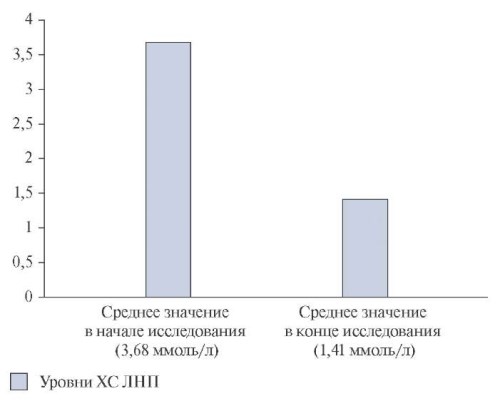
- Targeted PCSK9 therapy in patients at very high and extreme cardiovascular risk is effective in achieving target low-density lipoprotein cholesterol levels (76-89% vs 15-33% with standard therapy) and is safe — the safety profile was similar to that of standard therapy.
- The use of PCSK9-targeted therapy allows for a long-term (12-month follow-up) reduction in the incidence of fatal and non-fatal cardiovascular events compared to standard therapy as follows: one fatal event (2,1%) in the study group, compared to 26 fatal outcomes (13,0%) and multiple non-fatal events in the standard therapy group.
Aim. To evaluate the efficacy, safety, and long-term outcomes in patients at very high and extreme cardiovascular risk (CVR) receiving targeted therapy with proprotein convertase subtilisin/kexin type 9 (PCSK9) inhibitors compared to patients receiving standard therapy.
Material and methods. The study design was an open-label, prospective, parallel-group study. The main study group receiving PCSK9‑targeted therapy included 48 participants with a mean age of 64 years (4 women and 44 men).
They were treated with alirocumab (Praluent®) 150 and 75 mg (n=24), evolocumab (Repatha) 140 mg (n=12) and inclisiran (Sibrava) (n=12). The comparison group receiving standard lipid-lowering therapy according to current clinical guidelines consisted of 200 people as follows: 100 people at very high and 100 at extreme risk, including 136 men and 64 women, with an average age of 64 years. The primary efficacy endpoint was the achievement of target values of low-density lipoprotein cholesterol (LDL-C), where the target LDL-C values for very high patients are <1,4 mmol/L and a decrease of ≥50% from the baseline level, and for extreme risk patients <1,4 mmol/L with an optimum of <1,0 mmol/L. The secondary efficacy endpoint was cardiovascular events (myocardial infarction, stroke, non-elective coronary and non-coronary artery revascularization, critical lower limb ischemia and amputation, and cardiovascular death). Safety was assessed based on clinical data and following laboratory parameters: liver transaminases, total bilirubin, creatinine, and blood glucose. Thefollow-up period was 12 months.
Results. In the study group, target LDL-C levels were achieved in 89% of cases with very high CVR and 76% of cases with extreme CVR. In the comparison group, these parameters were 33% (n=33) and 15% (n=15), respectively. High adherence and good tolerability of all treatment options were noted in the active group. In the study group, one fatal cardiovascular event (2,1%) was recorded. In the standard therapy group, 21 recurrent cardiovascular events (11 — fatal) were recorded per year in the very-high-risk subgroup; and 57 and 15, respectively, in the extreme-risk subgroup.
Conclusion. This study demonstrated that the use of PCSK9‑targeted therapy with evolocumab, alirocumab, and inclisiran in high- and extreme-risk patients is associated with a significant reduction in LDL-C and cardiovascular events compared with standard therapy. The data obtained confirm the efficacy and safety of this therapy in real-world clinical settings. Newer approaches, such as inclisiran, have a more convenient dosing regimen, which will improve patient adherence.
- Despite their common mechanisms of action, class IC agents differ in their pharmacodynamic and pharmacokinetic characteristics, effects on the cardiac conduction system, and safety profile, requiring individualized therapy.
- The Expert Council resolution formulates principles for selecting class IC antiarrhythmic drugs, including ethacizine, taking into account the patient’s profile, arrhythmogenic mechanisms and clinical context.
Class IC antiarrhythmic drugs continue to play a pivotal role in the management of a wide range of cardiac arrhythmias, despite the rapid development of interventional arrhythmology and the expanding indications for catheterbased therapies. Although these agents share common mechanisms of action, their differences in pharmacodynamics, pharmacokinetics, and effects on the cardiac conduction system require a differentiated approach to drug selection across various clinical settings. The Expert Council aimed to analyze the pharmacological characteristics, efficacy, and safety of the Class IC antiarrhythmic agent ethacizine. Practical guidelines were developed for selecting Class IC antiarrhythmic therapy with consideration of arrhythmogenic mechanisms, comorbid conditions, and the patient’s vital and electrophysiological characteristics. In addition, clinical scenarios were identified in which ethacizine may be regarded as the drug of choice.
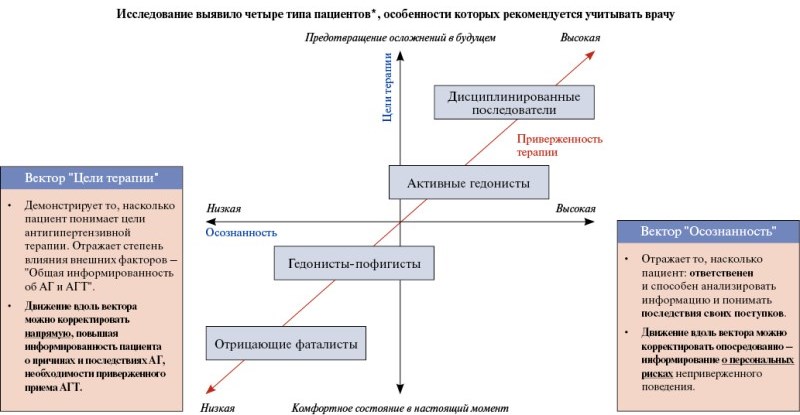
Aim. To assess adherence to previously prescribed antihypertensive therapy (AHT), identify the main drivers and barriers to adherence, and identify knowledge gaps and unmet needs of hypertensive (HTN) patients.
Material and methods. A qualitative study was conducted in August 2025. Twenty in‑depth two‑year individual interviews were conducted with women and men aged 35 years and older diagnosed with grade 1‑3 HTN receiving AHT for at least six months. Participants were divided into two following equal groups: adherent (n=10) and non‑adherent (n=10). A qualitative thematic analysis of interview transcripts was conducted, identifying key themes related to disease perception, attitudes toward therapy, and barriers and drivers of adherence.
Results. There were no patients completely adherent to therapy. Patients perceive HTN as a background condition or age‑related norm, rather than a progressive disease. Four patient types were identified: "disciplined followers", "active hedonists", "apathetic hedonists", and "denying fatalists". The main barriers to adherence were inadequate physician information about the treatment regimen and the consequences of non‑adherence, the absence of disease symptoms, a lack of understanding of continuous therapy need, and social stereotypes regarding chronic diseases. Financial constraints and fear of side effects were partially confirmed. The physician remains the primary source of information, but detailed questions about non‑adherence are rarely asked.
Conclusion. To improve adherence, physicians are recommended to provide personalized information about AHT goals and individual risks, ask detailed questions about missed doses, use simple language in communication taking into account patient typology, develop patient education programs, and encourage regular blood pressure monitoring.
NOVEL APPROACHES IN DIAGNOSTICS
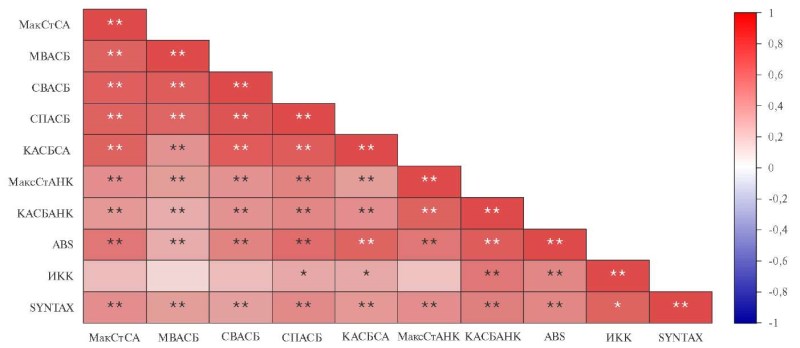
- Ultrasound indicators of lower limb artery atherosclerosis demonstrated the highest diagnostic efficacy for coronary artery disease.
- Adding ultrasound indicators of lower limb artery atherosclerosis and multifocal atherosclerosis to standard cardiovascular risk assessment algorithms significantly improved their effectiveness in diagnosing clinically significant coronary artery atherosclerosis.
- A multifocal ultrasound approach to assessing carotid and lower extremity atherosclerosis is a valuable tool for assessing cardiovascular risk.
Aim. To compare diagnostic value of various indicators of peripheral artery atherosclerosis in relation to the of stenotic coronary atherosclerosis.
Material and methods. The study included 120 patients aged 40‑64 years. All patients underwent duplex ultrasound of the carotid arteries and lower extremity arteries. Coronary atherosclerosis was assessed using invasive coronary angiography and/or multislice computed tomography with determination of the coronary calcium score.
Results. Clinically significant coronary atherosclerosis was detected in 60 patients (50,0%), and severe lesion — in 25 (20,8%). The diagnostic efficiency of ultrasound indicators of lower extremity artery involvement and the burden of systemic atherosclerosis, assessed by the area under the receiver operating characteristic curve (ROC) and the Youden index for coronary atherosclerosis, was higher than that for carotid atherosclerosis indicators. However, when comparing the AUC for different indicators, no significant differences were revealed. A significant increase in AUC for the diagnostic model for clinically significant coronary atherosclerosis was observed when adding the maximum degree of stenosis of the lower extremity arteries, the plaque number in lower extremity arteries, and the ABS score to the standard risk assessment algorithm. A significant increase in the AUC for the diagnostic model for severe coronary atherosclerosis was observed when the maximum degree of carotid stenosis and the number of atherosclerotic plaques in the lower extremity arteries were added to the standard algorithm for assessing the coronary atherosclerosis risk.
Conclusion. Among patients aged 40‑64 years, ultrasound indicators of peripheral artery atherosclerosis demonstrated moderate to high diagnostic value for coronary atherosclerosis. Adding the maximum degree of stenosis in the lower extremity arteries, the plaque number in the lower extremity arteries, and the ABS score to the standard algorithms for assessing cardiovascular risk significantly increased the diagnostic efficacy of the diagnostic model for clinically significant coronary atherosclerosis.
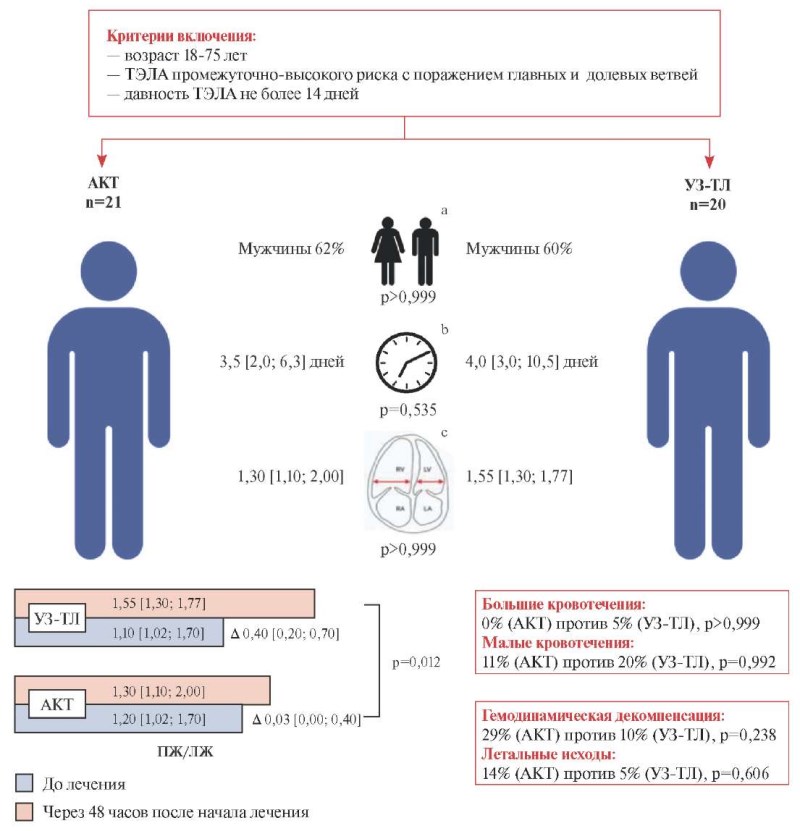
- Thromboembolism with intermediate-high risk of 30-day mortality is associated with a high rate of hemodynamic decompensation and in-hospital mortality.
- This study demonstrated the effectiveness of an interventional approach in the treatment of patients with pulmonary embolism using ultrasound-assisted thrombolysis, reducing right ventricular overload and improvements in lung perfusion.
Aim. To compare the efficacy and safety of ultrasound-assisted catheter-directed thrombolysis (UACDT) using EkoSonic technology (EKOS Corporation, Bothell, Washington, USA) and a routine conservative approach with anticoagulant therapy (ACT) in patients with pulmonary embolism (PE) at intermediate-high risk for 30-day mortality.
Material and methods. This single-center retrospective study included patients with confirmed intermediate-high-risk PE with thrombosis of the main or lobar branches of the pulmonary artery, no more than 14 days old. The patients were admitted to the cardiology intensive care units of the Almazov National Medical Research Center between January and December 2025. In accordance with the applied treatment strategy, patients were divided into 2 following groups: the UACDT group using EkoSonic technology (EKOS Corporation, Bothell, Washington, USA) and the ACT group. After 48 hours, the effectiveness of the treatment was assessed as follows: the incidence of decompensated hemodynamics episodes, the changes of right ventricle to left ventricle basal diameter ratio (RV/LV), decrease in the Qanadli score and the increase in residual peripheral flow according to computed tomography pulmonary angiography (CTPA), as well as the changes of right ventricular function echocardiographic parameters. Safety criteria included the incidence of minor and major bleeding. A telephone survey of patients was conducted one month after discharge to assess long-term outcomes.
Results. The study included 41 patients, which were divided into 2 groups: ACT group — 21 patients; UACDT group — 20 patients. The endovascular treatment group showed a more pronounced reduction in right heart overload: Δ RV/LV according to CTPA was 0,40 [0,20; 0,70] in the UACDT group vs 0,03 [0,00; 0,40] in the ACT group (p=0,012). A reduction in the RV/LV ratio of more than 20% from baseline was achieved in 74% of cases in the UACDT group vs 30% of cases in the ACT group (p=0,010). According to echocardiography, there was a decrease in the right ventricular diameter by 11,0 [6,7; 13,8] mm in the UACDT group vs 6,0 [1,5; 8,5] mm in the ACT group (p=0,015), a decrease in the right atrial area by 5,20 [0,67; 6,25] cm2 in the UACDT group vs 0,0 [-1,0; 2,8] cm2 in the ACT group (p=0,050), a reduction in the inferior vena cava diameter by 2,0 [1,0; 6,0] mm in the UACDT group vs 0,0 [-0,5; 2,0] in the ACT group (p=0,040). In 2 cases (10%) in the UACDT group and in 6 cases (29%) in the conservative ACT group, hemodynamic destabilization was recorded (p=0,238), which served as the basis for "rescue" systemic thrombolytic therapy. Hemorrhagic events occurred in 5 cases (25,0%) in the UACDT group and in 2 cases (9,5%) in the ACT group (p=0,538). The incidence of minor and major bleeding was comparable between the groups as follows: 4 minor bleeding events in the UACDT group vs 2 in the ACT group (p=0,992) and 1 major bleeding event in the UACDT group vs 0 in the ACT group (p>0,999). Fatal outcomes were recorded in 1 case (5%) in the UACDT group and in 3 cases (14%) in the ACT group (p=0,606).
Conclusion. There is a higher efficacy of UACDT in the form of a reduction in right ventricular overload in patients with intermediate-high-risk PE when compared with standard ACT with a comparable safety profile.
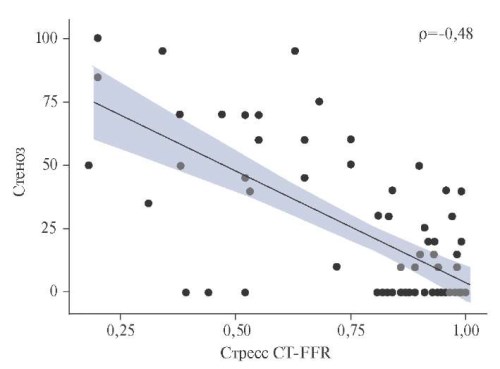
- A three-dimensional physicomathematical model based on computed tomography data has been developed, enabling quantitative assessment of the functional significance of coronary artery stenoses.
- The method demonstrates high diagnostic accuracy compared to myocardial perfusion scintigraphy.
- Three-dimensional modeling of coronary hemodynamics opens new prospects for personalized diagnostics and risk stratification in patients with coronary artery disease.
Aim. To evaluate the informative value of a 3D physicomathematical model of local hemodynamics based on coronary computed tomography angiography (CCTA) data for noninvasive determination of the functional significance of coronary artery (CA) stenosis.
Material and methods. The study included 15 patients (mean age 57,6±8,9 years) with stable coronary artery disease (CAD). All patients underwent CCTA, and 9 patients underwent myocardial perfusion scintigraphy (MPS). Based on the CCTA images, 3D coronary artery models were constructed, in which fractional flow reserve (CT-FFR) was calculated at rest and during simulated hyperemia using COMSOL Multiphysics®. The modeling results were compared with the stenosis degree and ischemia signs based on the MPS data.
Results. A total of 76 coronary vascular segments were analyzed. CT-FFR in simulated hyperemia values were significantly lower (p<0,001) in segments with stenosis ≥50% (0,53 [0,37-0,65]) and ≥70% (0,47 [0,34-0,55]) compared to non-obstructive lesions <50% (0,88 [0,83-0,96]) and <70% (0,87 [0,81-0,95]). A negative correlation was found between the stenosis degree and CT-FFR in simulated hyperemia (ρ=-0,485, p<0,05). ROC analysis demonstrated high diagnostic accuracy of CT-FFR in simulated hyperemia for stenoses ≥50% (AUC=0,9; sensitivity 93,7%; specificity 86,7%) and ≥70% (AUC=0,9; sensitivity 100%; specificity 83,6%). In vascular regions with perfusion defects according to MPS data, CT-FFR in simulated hyperemia were significantly lower (0,49±0,21 vs 0,82±0,18, p<0,001). Logistic analysis showed that a decrease in CTFFR in simulated hyperemia ≤0,68 was associated with an increased odds of regional ischemia (odds ratio 0,497; 95% confidence interval 0,33-0,73; p<0,001).
Conclusion. The pilot study results confirm that the three-dimensional CT-FFR model, based on CCTA, is highly informative for assessing the anatomical and functional significance of coronary artery stenoses and can be used for non-invasive diagnosis of myocardial ischemia.
ПРОГНОЗИРОВАНИЕ И РЕАБИЛИТАЦИЯ В КАРДИОЛОГИИ И КАРДИОХИРУРГИИ
What is already known about the subject?
- The incidence of reconstruction zone thrombosis after arterioplasty (end-to-end anastomosis, autologous vein grafting) in patients with shrapnel and mine blast injuries reaches 6,5%.
What might this study add?
- With prophylactic doses of unfractionated heparin administered in the first ten days after arterioplasty, no reconstruction zone thrombosis was observed in patients with shrapnel and mine blast injuries.
- Prior to arterioplasty, primary wound debridement with excision of necrotic tissue is necessary.
- After flow restoration to the limb, all patients should undergo fasciotomy to prevent thrombosis due to ischemia-perfusion injury.
Aim. To evaluate the efficacy of prophylactic unfractionated heparin doses after vascular reconstruction performed in the first day after shrapnel and mine-blast injuries of the extremities.
Material and methods. From September 2, 2025, to December 31, 2025, 26 vascular reconstructions for arterial ruptures due to shrapnel and mine-blast injuries were performed at a military field hospital in the Special Military Operation area. The average time from tourniquet application to the surgery was 14,5±3,5 hours. All the wounded were young males (under 44 years of age). In 21 cases (80,8%), arterial rupture was caused by shrapnel injuries, and in 5 cases (19,2%) by mineblast injuries. In most cases (84,6%), moderate posthemorrhagic anemia was diagnosed. Uncompensated early limb ischemia was detected in 19 patients (73,1%), with extremely severe injuries observed in 14 cases (53,8%). In the postoperative period, anticoagulant therapy was implemented with prophylactic doses of subcutaneous unfractionated heparin in a volume of 5 thousand units every eight hours.
Results. Arterial injuries occurred in the following ratio: 26,9% (n=7) — brachial artery; 26,9% (n=7) — posterior tibial artery; 15,4% (n=4) — superficial femoral artery; 7,7% (n=2) — axillary artery; 7,7% (n=2) — popliteal artery; 7,7% (n=2) — anterior tibial artery; 3,8% (n=1) — radial artery; 3,8% (n=1) — common femoral artery. In 65,4% (n=17) of cases, autovenous grafting was performed, while in 34,6% (n=9) — end-to-end anastomosis. In addition, 46,1% (n=12) after vascular reconstruction required installation of a military field rod set due to fractures of long tubular bones. No deaths, bleeding, reconstruction area thrombosis, or limb amputations were recorded during the postoperative follow-up period.
Conclusion. No thromboses in the reconstruction zone were observed with the use of unfractionated heparin after vascular reconstructions performed within the first 24 hours following shrapnel and mine-blast injuries.
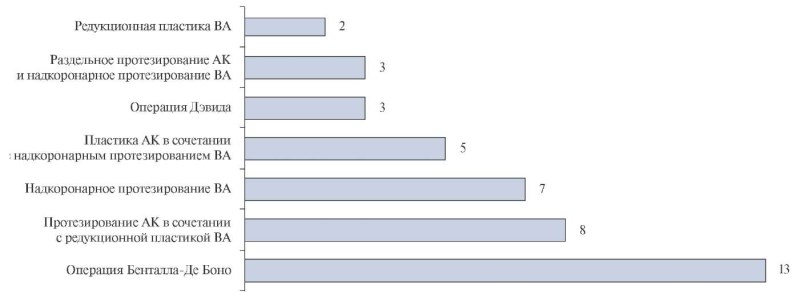
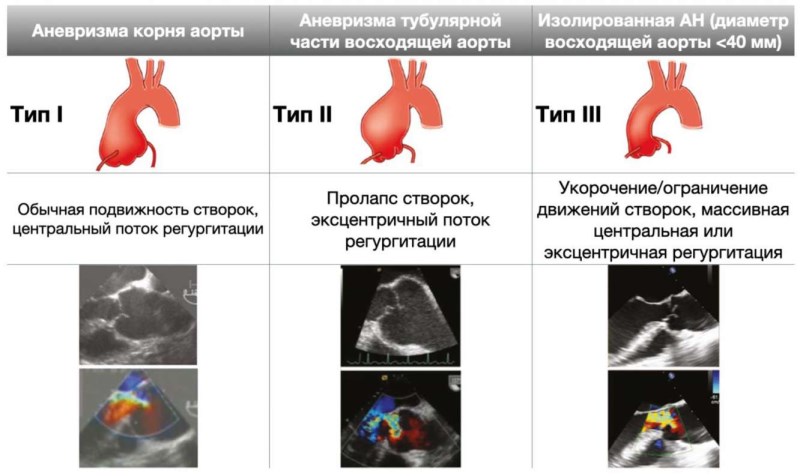
- Single-gene connective tissue disease, DeBakey type I acute aortic dissection, and borderline aortic arch dilation at the time of primary surgery are independent risk factors for reoperation on the ascending aorta and aortic arch.
- The high risk of reoperation and associated complications justifies a more aggressive primary strategy (hemiarch, frozen elephant trunk) in high-risk patients to reduce the reintervention risk.
- Patients with risk factors for reoperation (single-gene connective tissue disease, dissection) require long-term, at least annual, imaging follow-up (CT angiography) due to the significant median interval to reoperation (82 months).
Aim. To identify features associated with redo surgery after primary interventions for aneurysms and dissections of the ascending aorta (AA) and aortic arch.
Material and methods. The initial analysis was performed on a cohort of patients included in a local hospital registry who underwent open surgery for AA aneurysms and dissections at our clinic between January 1, 2006, and June 1, 2023. This observational, single-center, retrospective, prospective study evaluated the immediate and late postoperative periods. For analysis, two following groups were formed from the original cohort (n=1874): Reoperation group (n=41) — patients who underwent reoperation for aortic causes; Control group (n=172) — patients followed in the late period without reoperation. Statistical data analysis was performed in integrated development environments Jupiter Notebook 5.7.8 and Google Colab using Python 3.8. Analysis of preand postoperative data was conducted, followed by analysis of potential predictors of reoperation using univariate and multivariate Cox regression.
Results. The reoperation risk in the overall cohort was 11% at 5 years and 23% at 10 years. Inhospital mortality in reoperations was 11,2% (n=5). The most common inhospital complications were cardiovascular failure (31,7% (n=13)), respiratory failure (31,7% (n=13)), and cerebrovascular accident (14,6% (n=6)). Among patients who underwent reintervention, the median interval between surgeries was 82 (27; 138) months. Factors associated with the reoperation risk after primary AA repair were single-gene connective tissue disease (odds ratio (OR) 6,888; p=0,002), DeBakey type I acute aortic dissection at the time of the primary operation (OR 6,810; p=0,003), and the aortic arch diameter (OR 1,186; p=0,012). Age at the time of the primary surgery, a bicuspid aortic valve, the hypertension grade, and the maximum ascending aorta diameter did not significantly affect the risk of reoperation in the late period.
Conclusion. Aortic reoperations are a challenge for the surgeon, as evidencedby the inhospital mortality and complication rate in the early postoperative period. Risk factors associated with reoperations on the thoracic aorta include the single-gene connective tissue disease, DeBakey type I acute aortic dissection at the time of the primary operation, and borderline aortic arch dilation. Changing surgical tactics, such as additional aortic arch reconstruction in selected patients during primary AA interventions, should be considered to reduce the risks of reoperation in the long term.
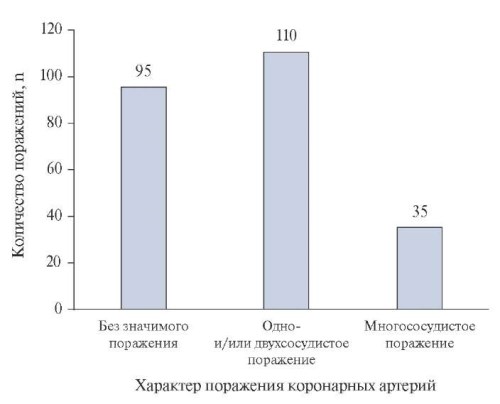
- Preliminary selective coronary angiography followed by myocardial revascularization plays an important role in reducing the risk of major adverse cardiovascular events in patients with chronic limb-threatening ischemia during the hospitalization period.
- The management of patients with chronic limb-threatening ischemia combined with coronary artery disease should be determined by a multidisciplinary team.
Aim. To evaluate the efficacy and safety of a primary invasive strategy with coronary angiography followed by myocardial revascularization when indicated in patients with chronic limb-threatening ischemia (CLTI) compared with an inhospital conservative approach.
Material and methods. This single-center retrospective study included 650 patients with CLTI combined with coronary artery disease between 2017 and 2022. The treatment strategy was determined by a multidisciplinary team. Based on the chosen strategy, patients were divided into invasive and conservative groups. Inhospital outcomes, major adverse cardiovascular and cerebrovascular events (MACCE), mortality, acute myocardial infarction, and major adverse limb events (MALEs) were assessed. Results. The mean patient age was 68 years, and 74,5% were men. In the invasive group, hemodynamically significant coronary artery disease (CAD) was detected in 60,4% of patients. Percutaneous coronary intervention was performed in 50,5% of patients, and coronary artery bypass grafting was performed in 11,3%. During hospitalization, the invasive group, which underwent selective coronary angiography followed by myocardial revascularization as indicated, demonstrated a significant reduction in the incidence of MACCE (2,91% vs 0%; p=0,01) and acute myocardial infarction (2,5% vs 0%; p=0,03) compared with the conservative group in patients with CLTI and underlying CAD. Independent predictors of hemodynamically significant CAD included age, a history of percutaneous coronary intervention, and femoropopliteal disease according to the TASC IIC classification.
Conclusion. Selective coronary angiography plays a key role in the diagnosis of coronary atherosclerosis in patients with CLTI when noninvasive stress testing is limited. Myocardial revascularization performed before elective peripheral vascular surgery reduces the risk of MACCE during the perioperative (inhospital) period in this patient population. Endovascular revascularization of lower extremity arteries in patients with CLTI significantly reduces the MALE incidence. A multidisciplinary approach should be implemented in each specialized center to develop an optimal treatment algorithm for severe comorbid patients.
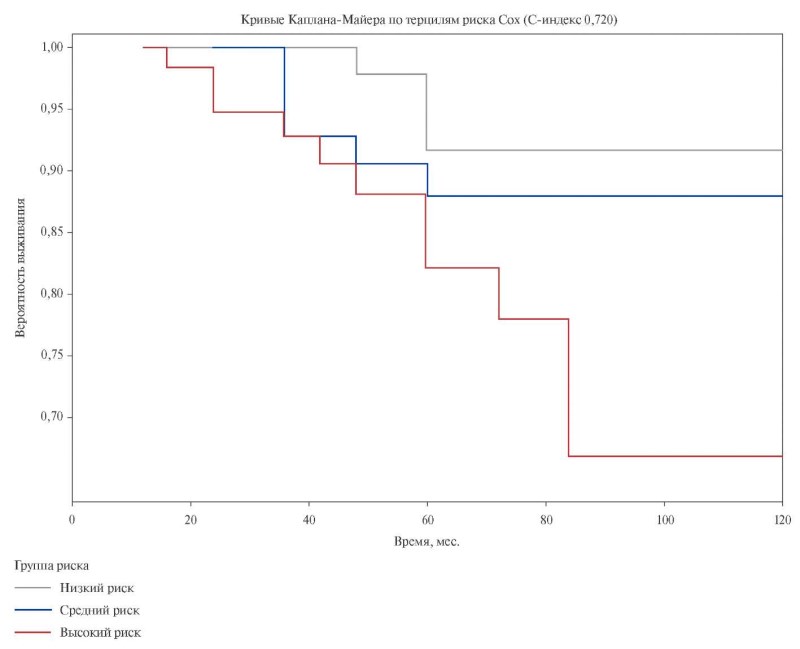
- The assessment of patient survival after bioprosthetic aortic valve replacement was updated.
- The potential of the classical Cox model and the Random Survival Forest machine learning method were compared.
- The machine learning method demonstrated higher prediction accuracy and allowed for stratification of patients by risk level.
- Analysis of the characteristics identified following key factors influencing prognosis: atrial fibrillation, anemia, elevated creatinine, low body mass index, advanced age, and reduced ejection fraction.
Aim. To evaluate the long-term survival of patients after bioprosthetic aortic valve replacement and compare the prognostic capabilities of the classical Cox model and the Random Survival Forest (RSF) algorithm, including the interpretation of the contribution of clinical variables.
Material and methods. The study included 176 patients who underwent aortic valve replacement at the Almazov National Medical Research Center from 2015 to 2024. Clinical, laboratory, echocardiographic, and intraoperative characteristics were assessed. Survival analysis was performed using the Cox proportional hazards model and the RSF algorithm. The C-index was used to assess the accuracy of the models. A SHAP analysis of traits’ contribution of RSF model was also performed. The primary endpoint was all-cause mortality. Secondary endpoints were complications and readmissions.
Results. The Cox model demonstrated moderate predictive accuracy (C-index 0,72), allowing for the identification of following significant risk factors: atrial fibrillation, low hemoglobin, elevated creatinine, older age, and reduced ejection fraction. The RSF algorithm demonstrated higher accuracy (C-index 0,86) and successful risk stratification as follows: 5-year survival was 95,3% in the low-risk group, 77,6% in the intermediate-risk group, and 59,7% in the high-risk group. SHAP analysis confirmed the influence of these parameters and also demonstrated the role of body mass index, sex, and heart failure functional class.
Conclusion. The RSF algorithm demonstrated greater prediction accuracy compared to the Cox model and enabled more flexible and interpretable risk stratification.
ИНТЕРВЕНЦИОНАЛЬНАЯ КАРДИОЛОГИЯ
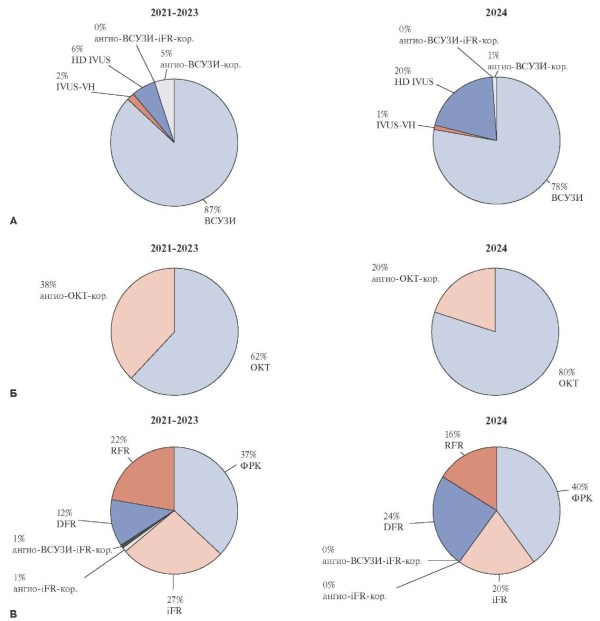
- Over four years, the Russian Registry for the use of intravascular imaging and physiology methods has accumulated an extensive database providing objective data on the use of these methods in Russian clinics.
- The introduction of standardized approaches to analyzing results allows for an objective assessment of intervention results and facilitates their optimization during the surgical stage.
- Intravascular diagnostic methods are used quite widely in acute coronary syndrome. Over the years analyzed, trends have included the increasing prevalence of intravascular ultrasound over optical coherence tomography, and the increasing prevalence of non-hyperemic indices over the conventional definition of fractional flow reserve in coronary physiology analysis.
Aim. To analyze the results of the use and development trends of intravascular diagnostic methods based on four-year data from the Russian registry on the use of intravascular imaging and physiology methods.
Material and methods. In 2024, data on 13125 examinations in 5408 patients were entered into the registry, and the registry includes information on 33154 procedures in 14311 patients. The database design and content continued to be refined, with several sections significantly revised. The most significant changes affected the sections on immediate and late surgical outcomes. To standardize the intravascular imaging evaluation during endovascular interventions, quantitative parameters were introduced, with semi-automated calculation of final coefficients and derivation of final conclusions.
Results. Over 4 years, 30 departments from 18 Russian cities participated in the registry. The average number of examinations per patient increased from 1,96 in 2021 to 2,43 in 2024. There is a trend toward an increasing role for intravascular ultrasound, with a decline in the use of optical coherence tomography and, to a lesser extent, fractional flow reserve. The share of intravascular ultrasound increased from 37% to 66%, while optical coherence tomography decreased from 23% to 5%, and fractional flow reserve decreased from 40% to 29%. Approximately 20% of studies were performed for acute coronary syndrome (19% of which were for ST-segment elevation myocardial infarction), while 2% were performed for noncoronary pathology. The largest number of studies were performed at the initial and final stages of surgery, followed by primary diagnostic studies, intraoperative monitoring, and diagnostic studies during patient follow-up.
Conclusion. The registry provides an objective means of analyzing intravascular diagnostic methods in Russia. Improving the registry and standardizing approaches to performing and evaluating data from intravascular techniques allows for an objective assessment of intervention results and contributes to their improvement. A number of clinics across the country routinely use intravascular diagnostic techniques, including for acute coronary syndrome and non-coronary pathology.
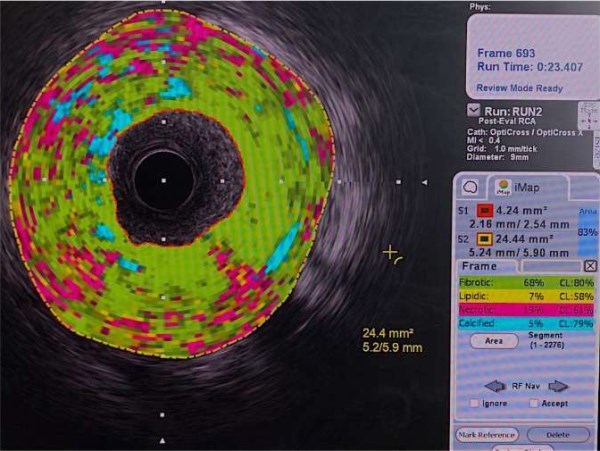
- This is the first Russian collection of carotid intravascular ultrasound images during carotid stenting.
- Examples include descriptions of normal anatomy, atherosclerotic changes, typical artifacts, and postoperative complications of the internal carotid artery.
- Intravascular ultrasound allows for the detection of plaque protrusions 2,667 times more often than selective angiography, which is critical for embolism prevention.
Aim. To demonstrate the potential of carotid intravascular ultrasound (IVUS) to improve the quality of imaging diagnostics in carotid stenting.
Material and methods. A clinical analysis was performed on 173 patients who underwent carotid endovascular interventions, 85 of whom underwent surgery using angiographic and intravascular ultrasound guidance. We used mechanical and phase-electronic IVUS systems with operating frequencies of 40 and 20 MHz, respectively, providing a spatial resolution of 38-170 μm.
Results. The first Russian collection of carotid IVUS images has been developed. This collection includes visualization of normal vascular anatomy, atherosclerosis of varying composition, the main types of artifacts, and postoperative changes. The technical aspects of the technique are shown, including imaging of normal internal carotid artery anatomy, atherosclerotic plaques of varying composition, the main artifacts, and complications after stenting. Two clinical cases are presented. We found that IVUS-guided carotid stenting is 2,667 times more effective in detecting protrusion signs than selective angiography alone (95% confidence interval: 1,009-7,051, p<0,05).
Conclusion. This collection demonstrates an approach to IVUS interpretation during carotid stenting and can be used for training specialists in endovascular surgery. Correct image interpretation is critical for clinical decision-making and embolism prevention.
ИССЛЕДОВАНИЯ И РЕГИСТРЫ
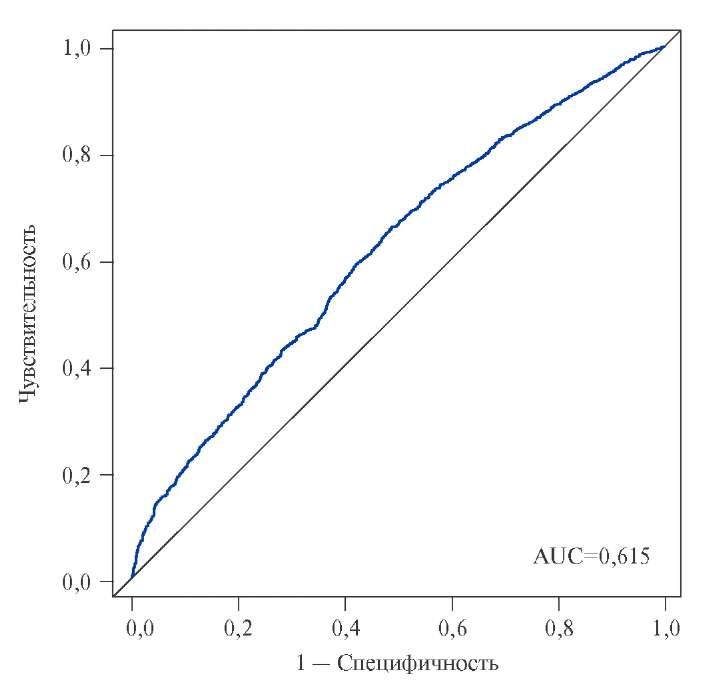
- Among patients without diabetes, the presence of albuminuria (AU) is independently associated with conditions such as post-infarction cardiosclerosis, atrial fibrillation, prediabetes, metabolic syndrome, chronic cystitis, including chronic obstructive pulmonary disease (COPD), but this fact requires further study.
- COPD patients with AU compared to patients without AU were more likely to have signs of metabolic syndrome and more severe renal dysfunction.
Aim. To analyze the phenotypes of patients at highest risk for albuminuria (AU) in a population of patients without diabetes and to estimate its prevalence in the identified phenotypes.
Material and methods. A total of 4580 patients over 40 years of age without type 1 or 2 diabetes, who had not previously been diagnosed with chronic kidney disease, were included in a real-world practice registry of AU detection in patients with previously undiagnosed CKD — AURA. The registry design did not include patient follow-up. AU was determined using sensitive micral-test strips, with an AU cutoff of 20 mg/L.
Results. AU ≥20 mg/L was present in 64,9% of cases. According to univariate analysis, patients with AU compared with those without it were more likely to have the following risk factors: hypertension (79% vs 71,5%), male sex (44,2% vs 38,6%), smoking (31% vs 25,2%), metabolic syndrome (32% vs 23,4%), as well as diseases such as coronary artery disease (35,5% vs 29,7%), heart failure (41,5% vs 35%), atrial fibrillation (17,3% vs 12,5%), prediabetes (14,7% vs 8,9%), chronic obstructive pulmonary disease (COPD) (7,67% vs 3,76%), chronic cystitis (5,35% vs 3,49%). A multivariate model revealed that age (with each 1-year increase in age, the risk of AU increased by 2%, p-value <0,001) had an independent, significant effect on the detection of AU ≥20 mg/L. Metabolic syndrome (p-value <0,034), prediabetes (p-value <0,001), cardiovascular disease (history of myocardial infarction, p-value 0,002, atrial fibrillation, p-value 0,018), chronic cystitis (p-value 0,036), and chronic obstructive pulmonary disease (p-value 0,023) also had a significant effect.
Conclusion. A multivariate analysis of AURA registry data confirmed that AU is independently associated with conditions such as post-infarction cardiosclerosis, atrial fibrillation, prediabetes, metabolic syndrome, chronic cystitis, and COPD. Of particular interest is the study and follow-up of patients with COPD, in whom AU was found in 78,9%.
CLINICAL GUIDELINES
With the participation of: the Russian Society for Cardiosomatic Rehabilitation and Secondary Prevention, the Russian Society of Radiologists and Radiologists, the Russian Scientific Society of Specialists in X-ray Endovascular Diagnostics and Treatment, the All-Russian Public Organization for the Promotion of Radiation Diagnostics and Therapy
Approved by the Research and Practical Council of the Ministry of Health of the Russian Federation (13.11.2025)
Task Force members declared no financial support/conflicts of interest. If conflicts of interest were reported, the member(s) of the working group was (were) excluded from the discussion of the sections related to the area of conflict of interest.

ISSN 2618-7620 (Online)





